3 February
What global politics keeps teaching us about gold, uncertainty, and decision-making
Callum Jones
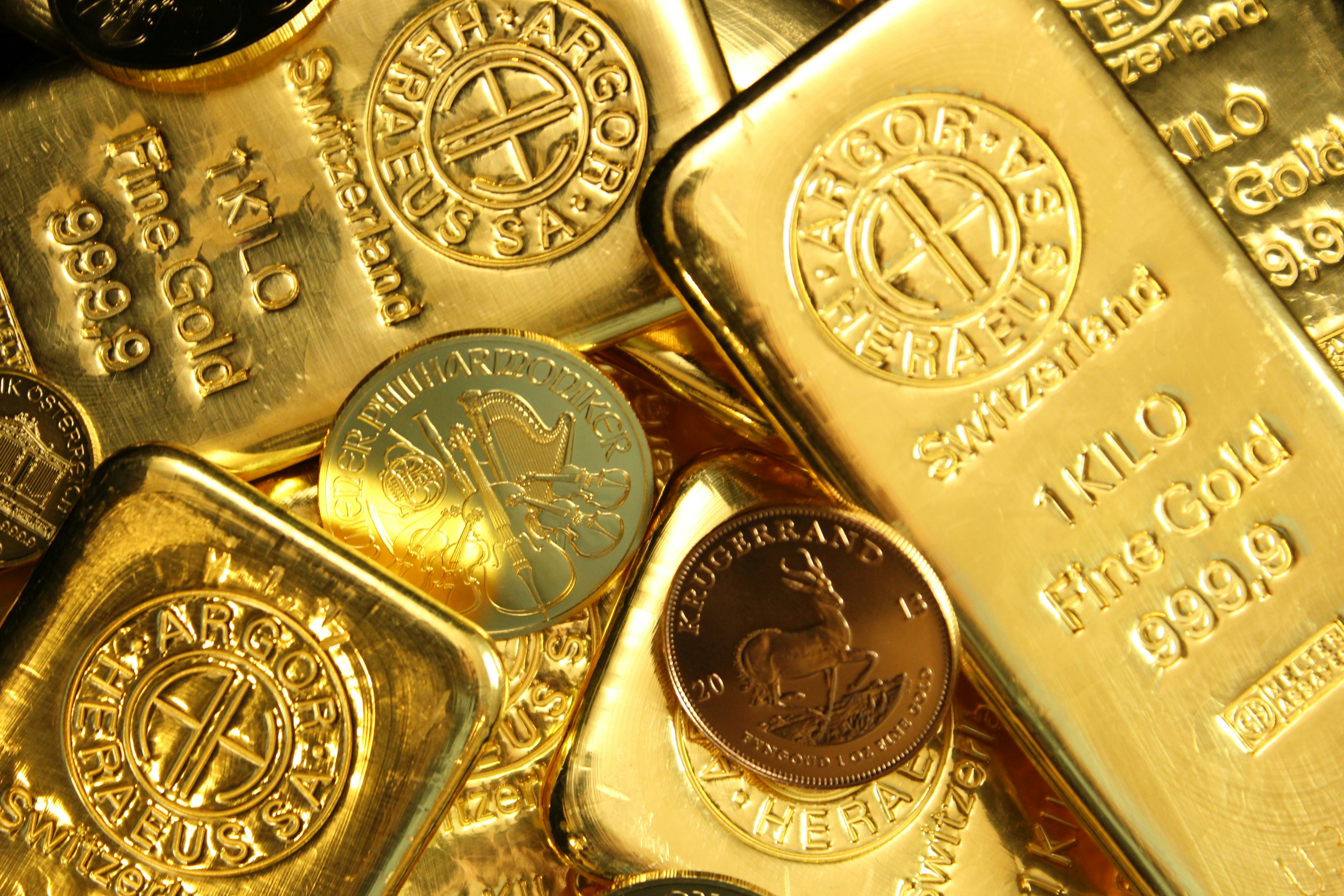
Over the last decade, and especially in the past few years, global politics has become harder to ignore for anyone watching markets. Decisions made in political chambers now show up in prices, sentiment, and risk far more quickly than they once did.
Elections, wars, trade disputes, sanctions, central bank policy shifts, and even political rhetoric can move markets within hours. Few assets reflect this relationship as clearly as precious metals, particularly gold.
Gold has long been viewed as a store of value during uncertain times, but its behaviour today is shaped by more than inflation or interest rates. It responds to confidence, fear, currency stability, and expectations about what might happen next. In many ways, gold reflects how the world feels before it fully understands what is unfolding.
A pattern we have seen before
When Russia invaded Ukraine in early 2022, gold prices rose sharply almost overnight. This happened before analysts had time to fully model the long-term economic impact or before the scale of sanctions became clear.
Markets reacted to uncertainty first. Energy security was suddenly in question, inflation fears intensified, supply chains faced disruption, and confidence in certain currencies weakened. Capital moved quickly toward assets perceived as stable, and gold absorbed that demand immediately.
This was not a one-off. Similar patterns can be found throughout modern history. During the Cold War, oil shocks in the 1970s, the global financial crisis, and periods of heightened Middle Eastern conflict, gold repeatedly acted as a pressure gauge for political and economic stress.
What is striking is how often prices move before the story feels obvious. By the time an event dominates headlines, markets have usually already adjusted. The early signals are there, but they tend to appear quietly and across multiple indicators rather than in one dramatic moment.
Politics does not move prices alone
Markets rarely react to events in isolation. They react to expectations, sentiment, and perceived risk, often well before outcomes are known.
Political uncertainty creates hesitation. Hesitation leads to repositioning. Repositioning moves prices.
In the case of gold, demand often rises not because something has already gone wrong, but because participants are preparing for what they believe could happen next. This forward-looking behaviour is what makes precious metals such a useful lens for understanding how markets interpret global risk in real time.
For leaders, the challenge is not explaining price movements after the fact, but recognising when conditions are shifting early enough to respond calmly rather than urgently.
Forecasting uncertainty, not outcomes
One of the biggest misunderstandings about forecasting is the belief that it is about predicting exact outcomes. In reality, it is far more useful as a way to understand uncertainty.
Rather than asking "where will gold be next month?", the more valuable questions tend to be "how sensitive is it right now?" or "how often do similar conditions lead to volatility?" or "what usually changes first when risk increases?"
This mindset shift matters. Forecasting uncertainty allows leaders to prepare ranges, scenarios, and responses instead of betting on a single outcome. It also encourages better conversations, moving away from confidence theatre and towards informed judgement.
In politically driven markets, that difference can be the line between reacting under pressure and adjusting with intent.
Where data becomes genuinely interesting
Most organisations already have access to market prices, historical data, economic indicators, and internal exposure. The challenge is not availability, but perspective.
Signals that often precede movements in gold prices are scattered. Currency fluctuations, bond yields, regional demand shifts, historical correlations, and timing patterns all contribute to the picture. On their own, none of these are particularly revealing. Together, they begin to tell a story.
This is where data analytics becomes less about dashboards and more about sense-making. The real value lies in connecting information, spotting relationships, and understanding how current conditions compare to past moments of instability.
When leaders can see these connections clearly, they are better equipped to ask better questions. Not "what just happened?", but "what usually happens next when the world looks like this?"
Why this thinking matters beyond gold
Gold is simply one of the clearest examples of how politics, psychology, and markets intersect. The same dynamics apply across energy, currencies, supply chains, consumer confidence, and investment decisions more broadly.
Organisations that struggle during periods of volatility are rarely short on data. More often, they lack a clear, joined-up view that helps leadership separate noise from signal.
Those that perform better tend to see patterns earlier, understand context more quickly, and feel less surprised when outcomes arrive.
Rounding off
The relationship between global politics and metal prices is ultimately a lesson in awareness. Markets move not just on facts, but on expectations, perception, and timing.
In environments shaped by uncertainty, the most valuable advantage is not certainty, but clarity. The ability to see relationships early, explore scenarios calmly, and make decisions without waiting for perfect information.
Gold may continue to rise and fall with global politics, but the broader lesson is simpler. Leaders who can interpret signals rather than chase headlines tend to navigate uncertainty with far more confidence.
Whilst the world feels increasingly unpredictable, that confidence is often what separates reaction from control.